
This quarter, Hillman Scholars published new work spanning global health, maternal and adolescent health, health…
By Jessica Abene BSN, RN
February 1, 2026 | As breast cancer survival rates improve, increased chemotherapy use has heightened the risk of experiencing side effects such as nausea and fatigue. While there is talk in the breast cancer community surrounding dietary strategies to help manage side effects, there is currently a lack of established dietary guidelines for survivors to utilize. Breast cancer survivors’ experiences with diet during chemotherapy have not gotten the attention they deserve in research.
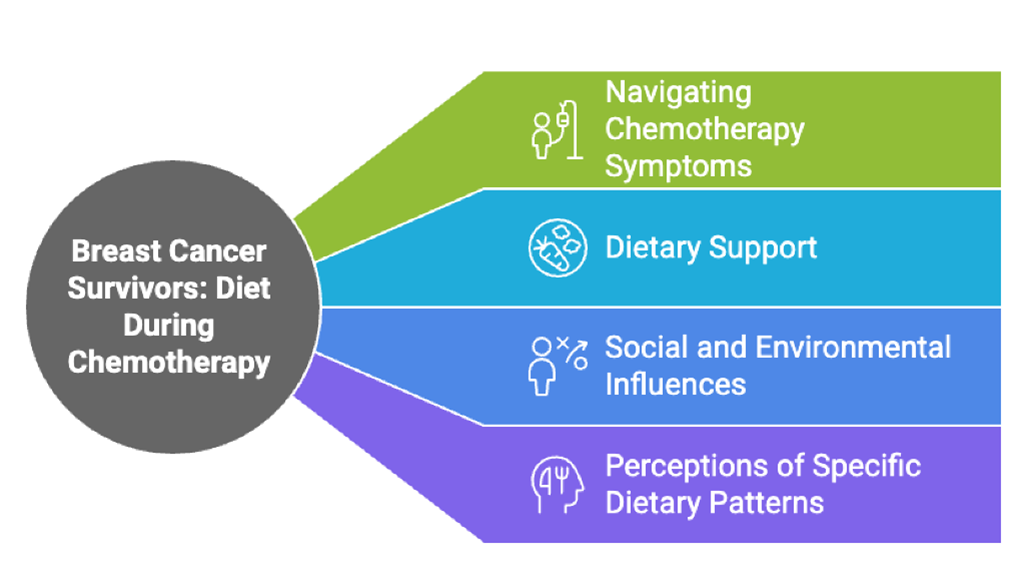 In a recent qualitative study, I spoke with 21 breast cancer survivors to better understand how they think about diet during chemotherapy, what dietary changes they make, and what support they wish they had received. Four major themes emerged: navigating chemotherapy symptoms, dietary support, social and environmental influences of diet, and perceptions of specific dietary patterns. Together, these themes highlight the complex relationship between diet and cancer treatment.
-
- Chemotherapy’s Impact on Diet
Nearly every survivor we interviewed described chemotherapy side effects that continued even with prescribed medications and directly shaped what, when, and how they ate. Fatigue was a major barrier because participants often lacked the energy to cook during treatment, while nausea and severe taste changes played a role in what they perceived as appetizing.
Participants described making both intentional and unintentional changes to their diets. Many tried to adopt what they considered a “healthier” diet (more fruits, vegetables, whole foods, and fewer processed items or sugars). Others relied more on processed foods because those were the foods that did not make them nauseous.
“I feel so deprived… of things [foods] that normally would help me relieve stress… or whatever are comforting to me, that I enjoy…”
-
- Breast Cancer Survivors’ Desire for Dietary Support
Participants were open and motivated to change their diet during chemotherapy. Many believed diet could influence how they felt and how well they tolerated treatment. Some even noticed that eating differently helped relieve nausea, reduce diarrhea, and boost energy levels.
Despite this motivation, participants consistently described a gap in the support they received. Dietary advice from oncology providers and dietitians, when offered at all, was typically vague and often consisted of general recommendations such as “eat a balanced diet.” Due to the lack of dietary guidance, many participants turned to other sources for dietary information, such as Google, social media, Reddit threads, and support groups. They described the advice shared by other survivors as more practical than anything they had heard from their clinical teams.
One participant stated, “If I had been given real guidelines, I think I would have changed my habits earlier.”
3. Diet Beyond Food
Participants consistently brought up factors, such as family, culture, and resources, that shaped dietary behaviors during treatment. Family members were often sources of support by cooking meals, helping with grocery shopping, or encouraging healthier eating. On the other hand, family dynamics made dietary changes harder for some, particularly mothers who prioritized their family’s wants over their own needs.
Additionally, cultural beliefs strongly influenced food choices. Some participants incorporated traditional foods believed to promote healing. Others avoided specific foods, such as sugar, due to cultural beliefs linking certain foods to cancer. Although most participants had adequate food access and financial stability, many emphasized that this is not the reality for all cancer patients. Rising food costs, limited storage space, and barriers to shopping or cooking were recurring challenges.
4. Breast Cancer Survivors’ Views on Fasting and Healthy Eating
Fasting is a commonly talked about strategy to help reduce chemotherapy side effects in the literature, yet participants had mixed views on this practice. Some had never heard of fasting during chemotherapy, while others had heard about it from research or online communities. Many felt hesitant about trying it. They brought up concerns surrounding weakness, nausea, or the psychological challenge of not eating during an already stressful time. Others were open to fasting if it could reduce side effects or improve recovery.
In contrast, a “healthy diet” was universally viewed as beneficial. Participants defined it as eating whole foods, vegetables, fruits, lean proteins, and limiting processed foods and sugar. They believed healthy eating could help them feel better, maintain strength, and support their body through chemotherapy.
Despite the recognized benefits, eating healthy during treatment was often difficult. Foods spoiled or no longer tasted right, and preparing meals took energy that participants did not have.
Take Away
Diet is a central part of the chemotherapy experience, yet it remains an under-addressed aspect of cancer care. There is a clear gap between breast cancer survivors’ needs and the support they receive to manage chemotherapy side effects. This research highlights an important call to develop practical dietary recommendations that specifically help breast cancer survivors take control of the debilitating side effects of chemotherapy.